Economic losses from natural disasters fall to $100 bn in first half of 2026: Swiss Re / Photo: © AFP
Economic losses from natural catastrophes worldwide are estimated to have reached $100 billion in the first half of this year, reinsurance group Swiss Re said Tuesday, a sharp decline from the period last year.
Despite severe storms in the United States and the deadly earthquakes that struck Venezuela in June, the losses were well below the $152 billion recorded in the first half of 2025, the group said in its latest report.
The losses were also 10 percent below the 10-year average for the period.
But Swiss Re, which serves as an insurer for insurance companies, noted that losses from natural disasters often increase in the second half of the year, mainly due to hurricanes in the North Atlantic ocean.
"A less costly first half of the year does not mean the risk has gone away," said Balz Grollimund, the group's director of Catastrophe Perils.
"One major hurricane, earthquake or wildfire can quickly change the picture."
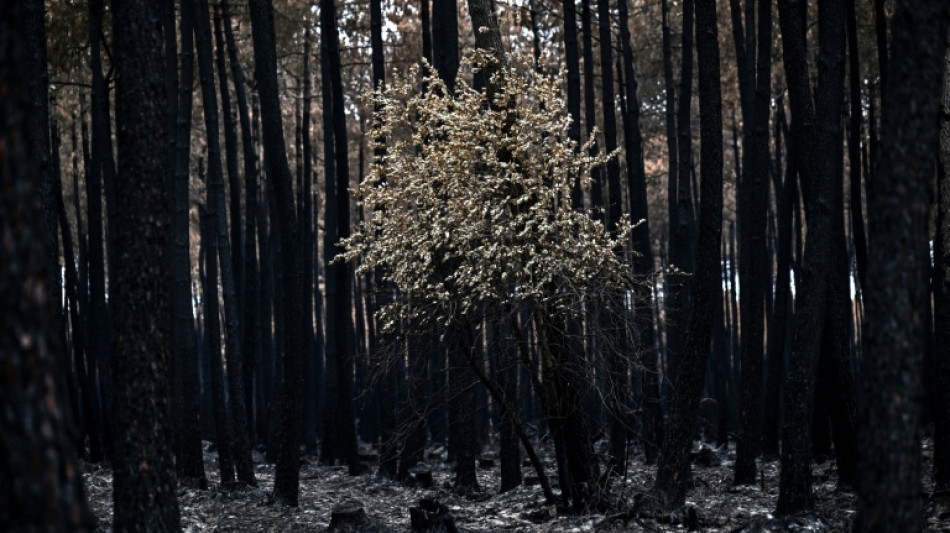
Severe heat across Europe since June has sparked an early wildfire season in France and Spain that has already destroyed thousands of homes and businesses as well as infrastructure.
"Wildfire risk has so far accounted for only a relatively small share of insured losses in Europe. Yet it is the fastest-growing weather peril globally," the company said.
It said insured wildfire losses had risen by 8-11 percent per year in Europe since 1970 after adjusting for inflation and other factors.
Looking forward, Swiss Re warned that the El Nino climate pattern, which began in June and is expected to peak later this year, could accentuate the cost from weather-related disasters.
"El Nino may influence tropical cyclone activity in the Central and East Pacific and could alter the risk of floods, wildfires, and other weather extremes elsewhere," it said.
"The long-term drivers of catastrophe losses remain unchanged, including growing exposure in hazard-prone areas and rising reconstruction costs," it added.
T.Mann--BP