Bethlehem Father Seeks Aid for Special Needs Children Amid Health Crisis
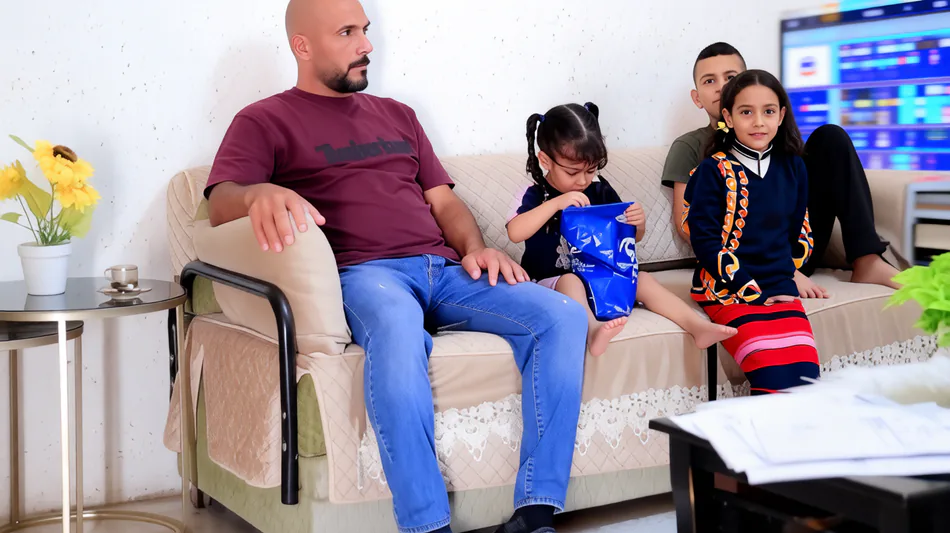
Mahmoud Abayat, a resident of Bethlehem, has issued an urgent appeal for financial assistance to support his family amid severe health challenges and the high costs of caring for three children with special needs. Abayat, who suffers from chronic neurological disorders, states that he can no longer afford essential medications or the specialized therapy required by his children.
Mahmoud Abayat, a resident of Bethlehem in the West Bank, has issued a humanitarian appeal to donors, officials, and charitable organizations, seeking assistance as he struggles with severe health and financial challenges while caring for his three children with special needs. Abayat said his main goal is to secure a dignified life for himself and his children, describing a situation in which mounting medical and living costs have become increasingly difficult to manage.
Abayat said he has suffered for 23 years from neurological disorders, including electrical disturbances in the nerves, seizures and other nervous conditions. He receives treatment from a specialist doctor and holds medical reports documenting his condition, as well as those of his children.
He said he takes around 120 pills each month and is now forced to purchase them at his own expense after they were previously covered by health insurance and the Ministry of Health but are no longer available, placing an additional financial burden on him.
Despite the medication, Abayat said he continues to experience seizures, sometimes occurring while he is walking in the street, further complicating his daily life.
He added that his three children — Sila, Yazan and Sham — all require specialised care, education, therapy sessions and transportation. He said the cost of meeting these needs amounts to approximately 3,000 shekels per month, covering school fees, therapy and transport.
“These expenses are beyond my ability,” he said. “I can barely cover my household’s basic needs.”
Abayat stressed that his children require basic rights, including food, clothing, education, treatment and care. “I am not asking for luxury,” he said. “I just want support through sponsorships to help my family.”
He said he has approached numerous charities and organisations seeking assistance, submitting medical reports for himself and his children, but has yet to receive meaningful support.
“Many told me they would contact me later,” he said. “But I keep waiting without any response.”
At the same time, Abayat expressed appreciation for the efforts of a local charitable association in Bethlehem, praising its commitment to helping people in need.
In his closing appeal, Abayat called on the public, donors and those able to help to stand by him during this difficult period, urging that his message reach as many people as possible.
He also addressed Palestinian officials and community leaders, as well as Palestinians in Jerusalem and inside Israel, calling for support to help him provide treatment, education and essential care for his children.
Abayat stressed that his request is not a matter of comfort, but of necessity, aimed at securing the basic needs of his family and ensuring access to healthcare and education for his children.
M.Keller--BP