France urges Israel 'to refrain' from seizing south Lebanon zone / Photo: © AFP
Israel should "refrain" from sending in forces to take control of a zone in south Lebanon, France's foreign minister told AFP on Tuesday, warning that such a move would have "major humanitarian consequences".
"We urge the Israeli authorities to refrain from such ground operations, which would have major humanitarian consequences and would exacerbate the country's already dire situation," Jean-Noel Barrot said in an interview with AFP.
His comments came after Israel earlier said its military would take control of south Lebanon up to the Litani River, around 30 kilometres (20 miles) from the border.
Lebanon was pulled into the Middle East war when the Tehran-backed Hezbollah militant group began firing rockets into Israel on March 2 to avenge the killing of Iran's supreme leader Ayatollah Ali Khamenei.
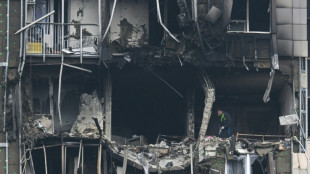
Israel has since launched strikes across Lebanon, killing at least 1,072 people and displacing more than a million others in more than three weeks of fighting. It has also sent ground troops into the country's south.
Barrot, who visited Lebanon and Israel last week, called on Israel to seize a "historic opportunity" for dialogue with Lebanon's government, saying that Beirut was "turning its words into action" to counter Tehran's interference in the country.
He noted that during his visit to Lebanon on March 19, President Joseph Aoun called for a truce and the opening of negotiations with Israel to stop the war between it and Hezbollah.
"There is a moment to seize, it is historic, and that moment is now," Barrot said, calling for "high-level political dialogue" with the Lebanese government.
Lebanon's government has acted against Iranian interests and withdrew its approval of the Iranian ambassador's accreditation on Tuesday, a decision Barrot hailed as "courageous".
Iranian ambassador Mohammad Reza Sheibani was told to leave Lebanese territory by Sunday.
"I wish to commend the statements and actions of the Lebanese government...which this morning took a courageous decision by expelling the Iranian ambassador," Barrot said.
Hezbollah strongly objected to the move, calling on the government to reverse it.
It was "no small matter" that Lebanon's government had also expelled "a number of representatives of the Revolutionary Guards" in the country, Barrot said, referring to the Islamic republic's ideological army.
Beirut has accused Iran's Revolutionary Guards of commanding Hezbollah's operations in its war against Israel, having decided on March 5 to ban all activity by the organisation in the country.
The government also took the unprecedented step of imposing a ban on Hezbollah military activities and called on the group to hand over its weapons to the state.
A.Haas--BP