From minerals to AI, EU and Canada to forge new alliance / Photo: © POOL/AFP
Squeezed by the United States and China, the European Union and Canada are set to unveil Friday a series of deals -- from critical minerals to artificial intelligence -- designed to boost their ties to an unprecedented level.
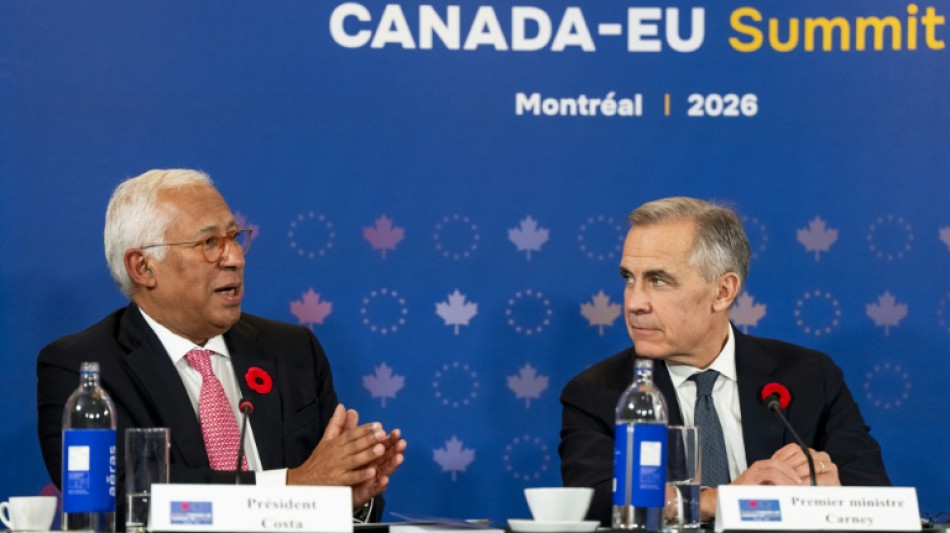
EU chiefs Ursula von der Leyen and Antonio Costa will meet with Canada's Mark Carney in Montreal on the second day of a summit that also features talks between Canadian ministers and senior EU officials.
"The recognition of our values and the ability to work together has never been more important," Carney said, noting Brussels and Ottawa faced "a rupture in the global system."
Already sharing a free trade agreement, the two partners have sought to move closer together since Donald Trump's return to the White House upended relations with Washington's traditional allies.
Both Canada and the EU have been hit with tariffs and territorial threats.
"We both want to bring our relationship to the highest level possible," von der Leyen told an event organized by a research institute in Montreal on Thursday.
This involves strengthening cooperation across all strategic sectors, Carney said.
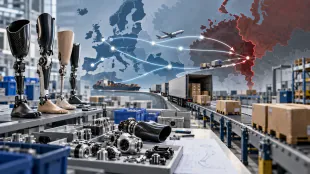
Critical minerals, which are a key focus of the summit, are needed for green technologies such as batteries and wind turbines that Europe sources mostly from China but are also in plentiful stock in Canada.
But Canada needs massive infrastructure investment to jump-start its mining industry.
An agreement allowing the European Investment Bank to back Canadian critical mineral projects is expected to be unveiled at the summit.
- AI cooperation -
Brussels and Ottawa also want to collaborate on AI, a field where they are playing catch up with the United States and China.
"Our industries increasingly depend on access to these technologies. And when that access rests on a few big companies, decisions taken elsewhere can put our businesses and essential services at risk. This is why we are teaming up," von der Leyen said.
Europe would open its supercomputing infrastructure to Canadian researchers, industry and start-ups, she added.
On Thursday, Ottawa announced a CAN$1.6 billion ($1.1 billion) investment in the Canadian AI firm Cohere. The company has recently partnered with Germany's Aleph Alpha in a move that Carney said was an example of what Europe and Canada could do together.
"We are not waiting for the future of AI to be decided somewhere else by those we don't know or by those we don't trust," Carney said.
A digital trade deal allowing faster and cheaper online transactions is also expected to be unveiled in Montreal.
The summit will additionally lay the groundwork for Canada's participation in EU initiatives like the Erasmus youth scheme, which allows university students to spend a semester abroad, and the Galileo satellite program -- an alternative to the American Global Positioning System (GPS).
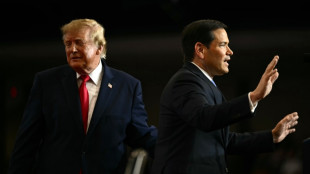
The nascent EU-Canada union has not gone down too well in Washington, with Trump calling the idea both "laughable" and "a hostile act."
But Carney sought to reassure his southern neighbor Thursday by saying the United States also stood to benefit from Canada diversifying its ties.
N.Beck--BP